Water Heater Maintenance & Tune-Up in Moorpark, CA
Restore reliable hot water in Moorpark with expert water heater maintenance and tune-ups. Stop rumbling noises and sediment buildup.
What's Your Situation?
Tell us what's happening — we'll point you to the fastest solution.
Is Your Moorpark Water Heater Rumbling, Slow, or Running Out of Hot Water?
Is your water heater making strange rumbling noises, taking forever to heat up, or leaving your home without enough hot water for the whole family? These are not just minor annoyances, but clear signals that your system is struggling against heavy sediment buildup, which can lead to expensive breakdowns if ignored. As the dedicated specialists in the area, The Water Heater Company is ready to provide the expert maintenance and tune-up your system needs to restore reliable hot water today.
Need water heater maintenance & tune-up in moorpark, ca today?
- Schedule service before hard-water scale triggers error codes or weak flow.
- Ask for the inlet filter, venting, safety controls, and valves to be checked.
- Pair tankless descaling with a water-quality review for long-term protection.
- Keep documentation so warranty and maintenance history stay clear.
You get options, not pressure.
Many issues can be repaired when the tank is sound and the safety components are working. Replacement usually makes more sense when the tank is leaking from the body, badly corroded, repeatedly failing, or past its expected service life.
Signs Your Water Heater Needs Professional Attention
When a water heater starts to struggle, it rarely fails without giving you a few warnings first. Paying attention to these early symptoms can save you from a cold shower or a flooded garage. Here is what you should look and listen for when you suspect a problem.
Noisy Operation Like Rumbling or Popping
You might hear unusual sounds coming from your water heater tank, often resembling a low rumble, a distinct popping, or even a slight hissing noise. These sounds are most noticeable when the unit is actively heating water, and it can sometimes sound like rocks rattling around inside the metal cylinder. This is almost always a sign of heavy sediment buildup at the bottom of the tank, a very common issue for Moorpark homes dealing with hard water.
As the heating element or gas burner heats the water, it also bakes this thick layer of mineral sediment sitting at the base. Steam bubbles get trapped underneath this heavy crust and forcefully push their way through, causing those distinct popping and rumbling noises. This sediment acts as a thick blanket of insulation that forces your unit to work much harder and longer just to do its basic job.
Reduced Hot Water Supply or Fluctuating Temperatures
Another major red flag is running out of hot water much faster than you used to, or noticing that the water temperature fluctuates wildly while you are in the shower. It often feels like the hot water simply is not lasting long enough to accommodate your normal household routine. This happens because the mineral sediment takes up physical space inside the tank, actively reducing the overall volume of hot water available to you.
Furthermore, that same sediment blocks the heat source from effectively transferring energy to the water. This means your system is burning fuel or using electricity without actually getting the water up to the proper temperature. A faulty thermostat or a failing heating element can also cause these exact same frustrating temperature swings.
Cloudy or Rusty Hot Water
When you turn on the hot water tap in your kitchen or bathroom, you might notice the water appears cloudy, murky, or has an unpleasant reddish-brown tint. You might even detect a faint metallic odor coming from the steam. Cloudy water generally indicates a heavy concentration of mineral sediment suspended in the water lines, which is a direct result of untreated hard water.
Rusty water is an even more serious warning sign that the sacrificial anode rod inside your tank has completely corroded away. This rod is designed to attract corrosive elements, but once it is gone, the water begins to attack the bare steel of the tank itself. A rusting tank means your water heater is deteriorating from the inside out and requires immediate professional intervention.
Leaks Around the Base of the Water Heater
You might discover small puddles, damp spots, or signs of moisture collecting around the bottom of your water heater. Even a tiny, slow drip is a serious symptom that should never be ignored. While sometimes a leak originates from a loose connection or a faulty pressure relief valve, moisture at the base usually points to internal tank corrosion.
Once the steel tank rusts completely through, the structural integrity of the unit is compromised and the leak cannot be patched or repaired. A small drip can quickly escalate into a catastrophic failure, causing significant water damage to your flooring, drywall, and personal belongings. Finding moisture means your system is likely at the end of its lifespan and needs immediate evaluation.
Why Your Water Heater Needs Regular Maintenance
Understanding why these problems happen can help you see the value in routine maintenance. Water heaters are hard-working appliances that process thousands of gallons of water every year. Over time, that constant workload takes a toll on the internal components.
Sediment Buildup from Hard Water
As water enters your tank and heats up, dissolved minerals like calcium and magnesium naturally separate and settle at the very bottom. This layer of mineral sediment grows thicker and harder over time, slowly choking off the efficiency of your unit. Moorpark's naturally hard water makes this the single most common culprit behind local water heater failures.
A professional flush and descaling is the only effective way to combat this relentless buildup. Removing this accumulated sediment restores the heating efficiency of your unit and stops the damaging overheating cycle. Regular flushing prevents premature wear and tear on the tank lining and the heating elements.
Anode Rod Degradation
Every traditional tank water heater contains a sacrificial anode rod, which is a long metal rod designed specifically to corrode before your steel tank does. It acts as a magnet for the corrosive elements present in your water supply, sacrificing itself to protect the integrity of the tank lining. Over years of use, this rod gets completely eaten away.
Hard water conditions can significantly accelerate how fast this anode rod degrades. Once the rod is fully depleted, those aggressive corrosive elements immediately begin attacking the walls of your water heater. Inspecting and replacing a depleted anode rod is a simple maintenance step that can add years of reliable service to your system.
General Wear and Tear
Critical components like heating elements, thermostats, pressure relief valves, and gas burners simply wear out after years of continuous, daily operation. Rubber seals can dry out and crack, while electrical connections and gas fittings can slowly loosen over time. With many older homes in the area still relying on aging systems, these components are constantly under stress.
Consistent, year-round use means that parts will inevitably degrade, even if the tank itself is in good condition. A comprehensive tune-up allows a professional to inspect all these moving parts before they fail completely. Catching a worn-out component early prevents a sudden breakdown and keeps your hot water flowing without interruption.
Neglected Safety Checks and Seismic Strapping
Over time, the seismic straps holding your water heater in place can loosen, corrode, or fall out of compliance with current building safety standards. This is not a mechanical failure of the appliance itself, but it represents a massive safety oversight for your household. Living in an active seismic zone means that proper, secure strapping is absolutely critical to prevent the unit from tipping over during an earthquake.
A ruptured gas line or a massive water leak caused by a falling tank can devastate your property. During a routine maintenance visit, these straps are thoroughly inspected to ensure they are tight, secure, and fully up to code. We make any necessary adjustments to protect your home and give you total peace of mind.
What to Expect During Your Maintenance & Tune-Up Visit
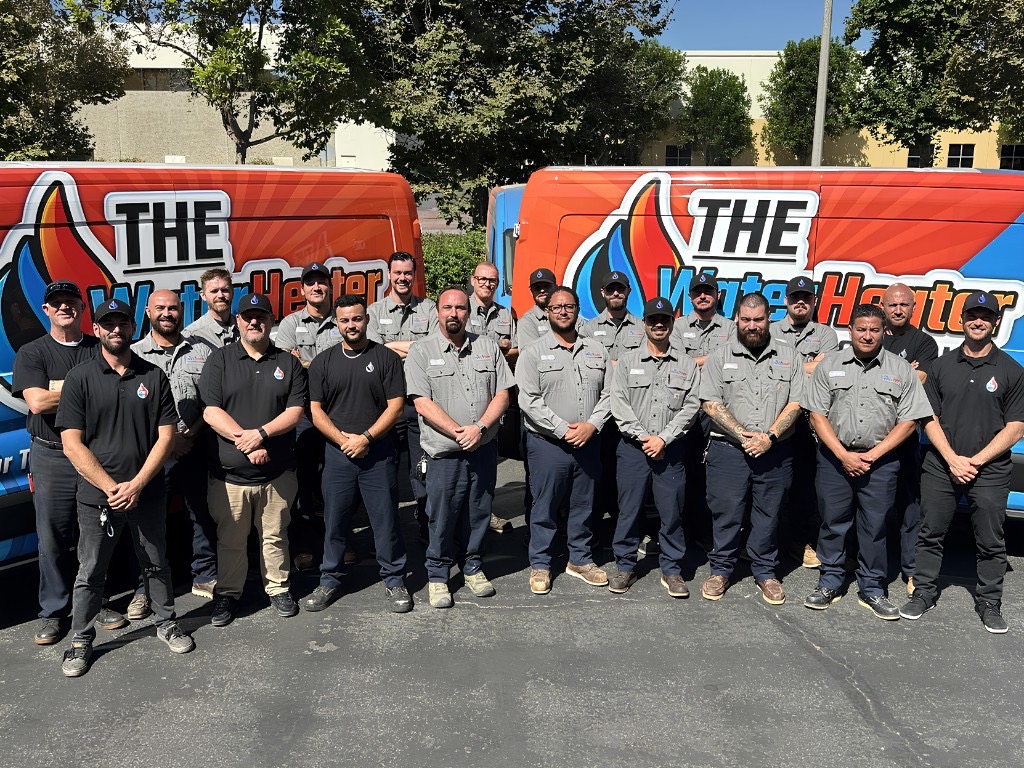
When you schedule a maintenance visit with The Water Heater Company, you are getting specialized expertise focused exclusively on hot water systems. We do not treat this as just another plumbing chore; our entire operation is built around maximizing the lifespan and safety of your water heater. Our rigorously trained technicians arrive in trucks that operate as warehouses on wheels, fully stocked to handle any issue in a single visit.
We believe in an education-first approach, meaning we will clearly explain our findings and show you exactly what is happening inside your tank. You will always receive clear options without any high-pressure ultimatums. Here is exactly what happens when our specialist arrives at your home.
Comprehensive System Inspection
We begin with a top-to-bottom visual and mechanical inspection of your entire water heating system. This includes examining the exterior tank, the heating elements or burner assembly, the thermostat, and all associated plumbing connections. We also closely inspect your seismic strapping to ensure it is secure and compliant with local Moorpark safety requirements.
Tank Flush and Sediment Removal
Using professional-grade equipment, we safely drain and flush your water heater tank to clear out the accumulated mineral deposits. This specialized flush goes far beyond a simple drain, effectively breaking up the stubborn scale that hard water leaves behind. Removing this debris immediately improves the heating efficiency and stops the damaging internal rumbling.
Anode Rod Inspection and Replacement
We carefully extract and inspect the sacrificial anode rod to determine how much protective metal is left. If the rod is heavily corroded or completely depleted, we will recommend swapping it out for a new one. This single replacement is the most effective way to stop internal rust and prevent a catastrophic tank leak.
Component Testing and Adjustment
Our technicians will test your thermostat to ensure it is accurately regulating the water temperature, preventing scalding risks and energy waste. For gas units, we clean and inspect the burner assembly to ensure a safe, efficient flame. We also test the pressure relief valve to guarantee it will open properly if pressure builds up dangerously high inside the tank.
Essential Safety Checks
Beyond securing the seismic straps, we rigorously check for proper exhaust ventilation to prevent carbon monoxide buildup in your home. We also use specialized tools to check for any microscopic gas leaks around the control valve and supply lines. Ensuring all safety mechanisms are functioning perfectly is our highest priority before we finish the job.
Expert Recommendations
Once the tune-up is complete, we sit down with you to discuss the overall health and expected lifespan of your system. If we spot areas of concern, we explain what matters for your safety and what choices exist moving forward. We want you to have all the information necessary to make an informed decision that fits perfectly with your home and budget.
Related Water Heater Services to Consider
Maintaining your system proactively is the smartest way to avoid sudden emergencies, but sometimes an inspection reveals wear that requires more than a simple tune-up. If your unit has failing components, our specialized team is fully equipped to provide comprehensive Water Heater Repair & Service to get things running perfectly again. Additionally, if you are tired of battling the severe mineral buildup common in our area, exploring our Water Softener Services or Water Filtration Services can drastically improve your water quality and protect your plumbing fixtures for decades to come.
Why Delaying Water Heater Maintenance Matters: The Cost of Waiting
It is easy to ignore a water heater that is technically still producing some hot water, even if it is making strange noises or running out quickly. However, skipping routine maintenance allows minor issues to quietly escalate into major, expensive disasters. Ignoring these clear warning signs will inevitably cost you more money and frustration in the long run.
Skyrocketing Energy Bills
When sediment coats the bottom of your tank, it acts as a thick barrier between the heat source and your water. Your system has to burn significantly more gas or use far more electricity just to push heat through that mineral crust. This inefficiency directly translates into skyrocketing utility bills month after month.
Premature System Failure
A water heater forced to work through heavy sediment buildup will overheat, stressing the metal tank and burning out heating elements. Neglected units are mathematically far more likely to break down years before their expected lifespan. This forces you into a stressful, expensive complete replacement much sooner than you ever anticipated.
Complete Loss of Hot Water
The most immediate consequence of a neglected system is a sudden, total loss of hot water. Parts that are never inspected will eventually fail without warning, leaving your household unable to shower, wash dishes, or do laundry. A proactive tune-up prevents these highly disruptive breakdowns from happening in the first place.
Severe Water Damage Risks
Internal corrosion caused by a depleted anode rod will quietly eat away at your steel tank until it finally gives way. A ruptured water heater can dump forty to fifty gallons of water directly into your garage, basement, or living space. The resulting water damage to flooring, drywall, and personal property is often devastating and incredibly costly to repair.
Hidden Safety Hazards
A faulty pressure relief valve that has never been tested can allow dangerous pressure to build up inside the tank, creating a serious explosion risk. Similarly, degraded gas lines or inadequate exhaust ventilation can introduce carbon monoxide or fire hazards into your home. Routine maintenance ensures these critical safety features are active and protecting your family.
Experience Expert Maintenance Today
Do not let a struggling, noisy water heater disrupt your daily routine or put your home at risk of a major leak. As your specialized local experts, we bring unmatched focus, rigorous training, and total transparency to every single job we take on. When you are ready to restore your system's efficiency and secure your peace of mind, The Water Heater Company is here to deliver the precise, high-quality maintenance your Moorpark home deserves.
Trusted Across SoCal
0+
5-Star Reviews
0+
Homes Served
0+
Yrs Experience
0+
Jobs / Month
2,100+ reviews
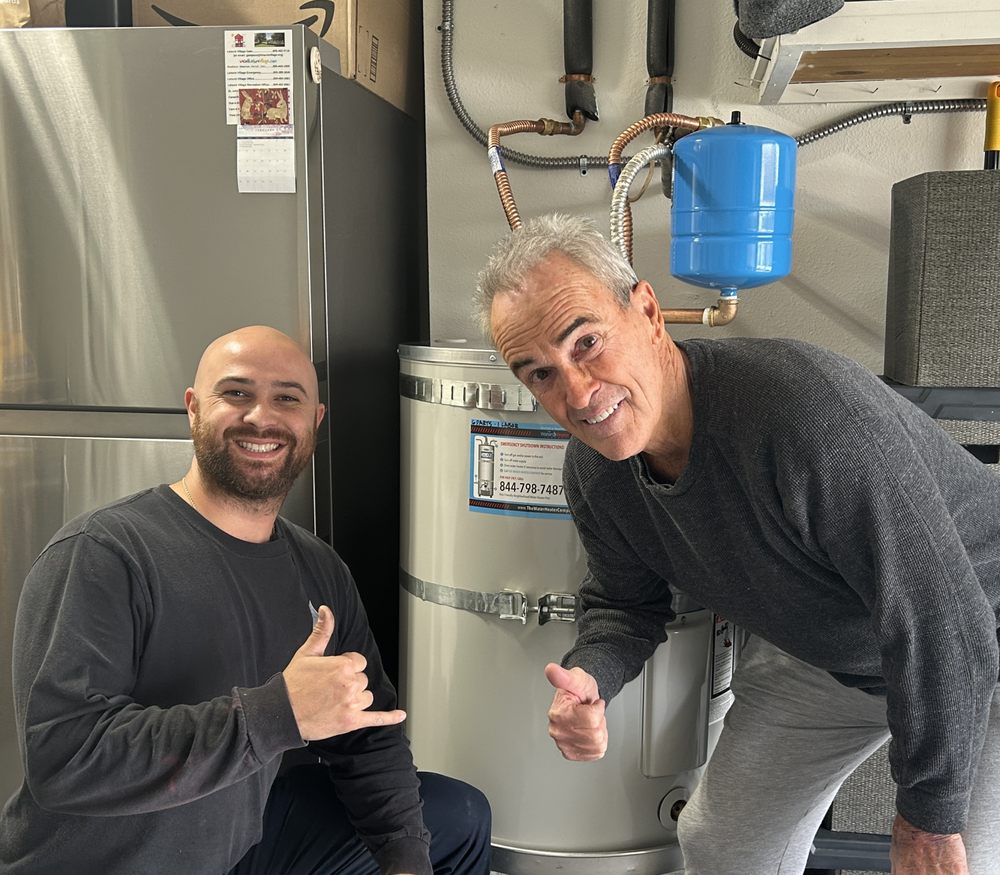
Zak was incredible from start to finish. He walked us through every option, replaced the unit the same day, and left the garage cleaner than he found it.
Judy & Jim Rabbitt
Camarillo, CA
Serving Moorpark
Speak with a live, local water heater specialist now. We're available 24/7 to take your call.
Why Choose Us
- Licensed & Insured
- Upfront Pricing
- 100% Satisfaction Guarantee
- Same-Day Service Available
- Factory Trained Technicians
Other Water Heater Services in Moorpark
Other Service Areas
Ventura County
Orange County
Our technicians are factory-certified and trained on all leading water heater manufacturers.
Ready for hot water?
Ready to Get Started?
Contact us today to price your water heater and get started with your Water Heater Maintenance & Tune-Up in Moorpark, CA needs.