A-to-Z Guide: Gas or Electric Water Heater?
Gas or electric water heater? Compare venting and gas lines versus a 240V circuit, recovery rates, and operating cost — and learn what fits Southern California homes.
Gas or electric water heater? Compare venting and gas lines versus a 240V circuit, recovery rates, and operating cost — and learn what fits Southern California homes.
Choosing between a gas or electric water heater is one of the first decisions homeowners face when replacing a unit. Both deliver hot water reliably, but they differ in how they are installed, how fast they recover, and what they cost to run. This guide walks through the trade-offs from A to Z so you can pick the right type for your home.
By Anthony Hamilton, Co-Founder, THE Water Heater Company (21+ years in water heaters). Reviewed by THE Water Heater Company's factory-trained technical team.
Definition: how each type heats water
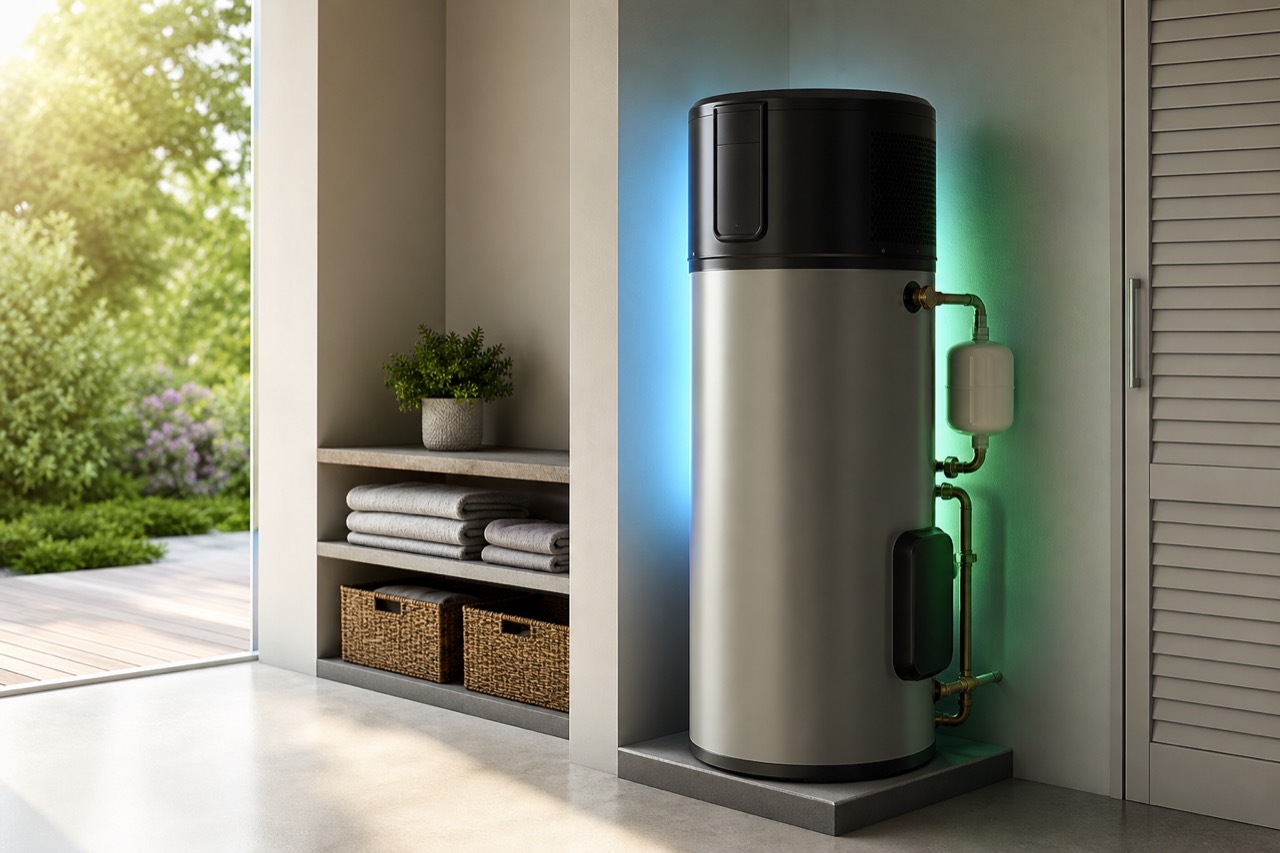
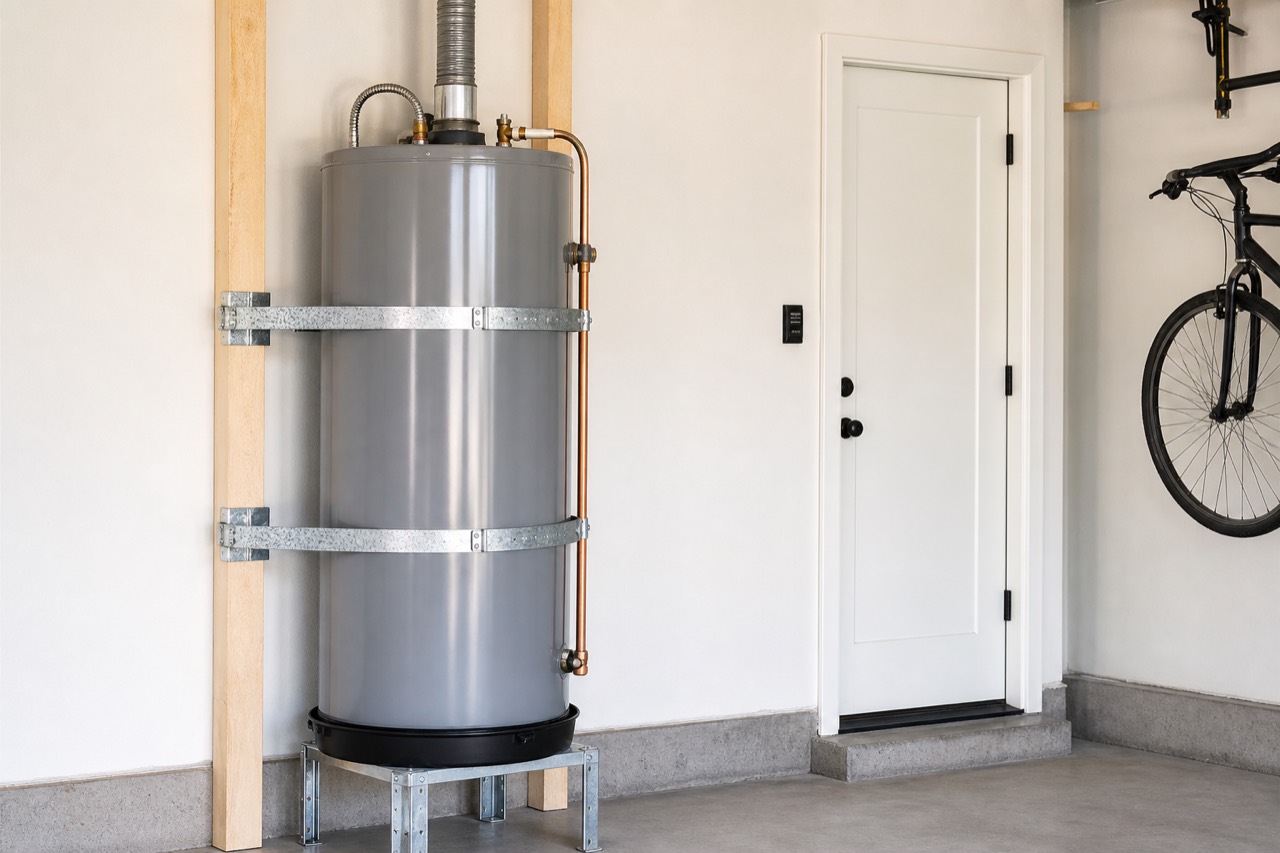
A gas water heater burns natural gas (or propane) at a burner beneath the tank, heating the water directly and venting exhaust through a flue. An electric water heater uses one or two heating elements powered by a dedicated 240-volt circuit. Both are available as standard tank-style water heaters, and the right choice usually comes down to what your home is already set up to support.
When it matters: your home's existing setup
The biggest factor is infrastructure:
- Gas requires venting and a gas line. If your home already has a gas water heater, you likely have a gas supply line and a flue or vent in place. Switching to gas where none exists means running new gas piping and adding proper venting — a bigger project that requires permits.
- Electric requires a 240V circuit. Electric units need a dedicated high-voltage circuit and adequate panel capacity. If your panel is full or undersized, you may need an electrical upgrade.
Replacing like-for-like is almost always simpler and less expensive than converting from one energy source to the other.
Recovery rates: how fast you get hot water back
Recovery rate is how quickly a heater reheats a tank of water after it's drained. This is where gas typically wins. Gas burners heat water faster, giving a higher recovery rate — useful for larger households with back-to-back showers and laundry. Electric units recover more slowly because heating elements transfer heat less aggressively. For a busy family, a gas unit (or a larger electric tank) helps avoid running out of hot water.
Operating cost
Operating cost depends on local utility rates. In much of Southern California, natural gas has historically cost less per unit of heat than electricity, so gas water heaters are often cheaper to run month to month. Electric heaters, however, are typically more efficient at converting their energy into heat and cost less to install when a circuit already exists. The right answer depends on your utility rates and how much hot water you use — we can help you weigh both.
Failure mode: choosing the wrong fit
Picking a type that doesn't match your home leads to headaches: an undersized electric unit that can't keep up with demand, or a gas conversion that balloons in cost because of new venting and gas-line work. Matching the heater to your existing infrastructure, household size, and budget is the key to a smooth installation.
What fits SoCal homes
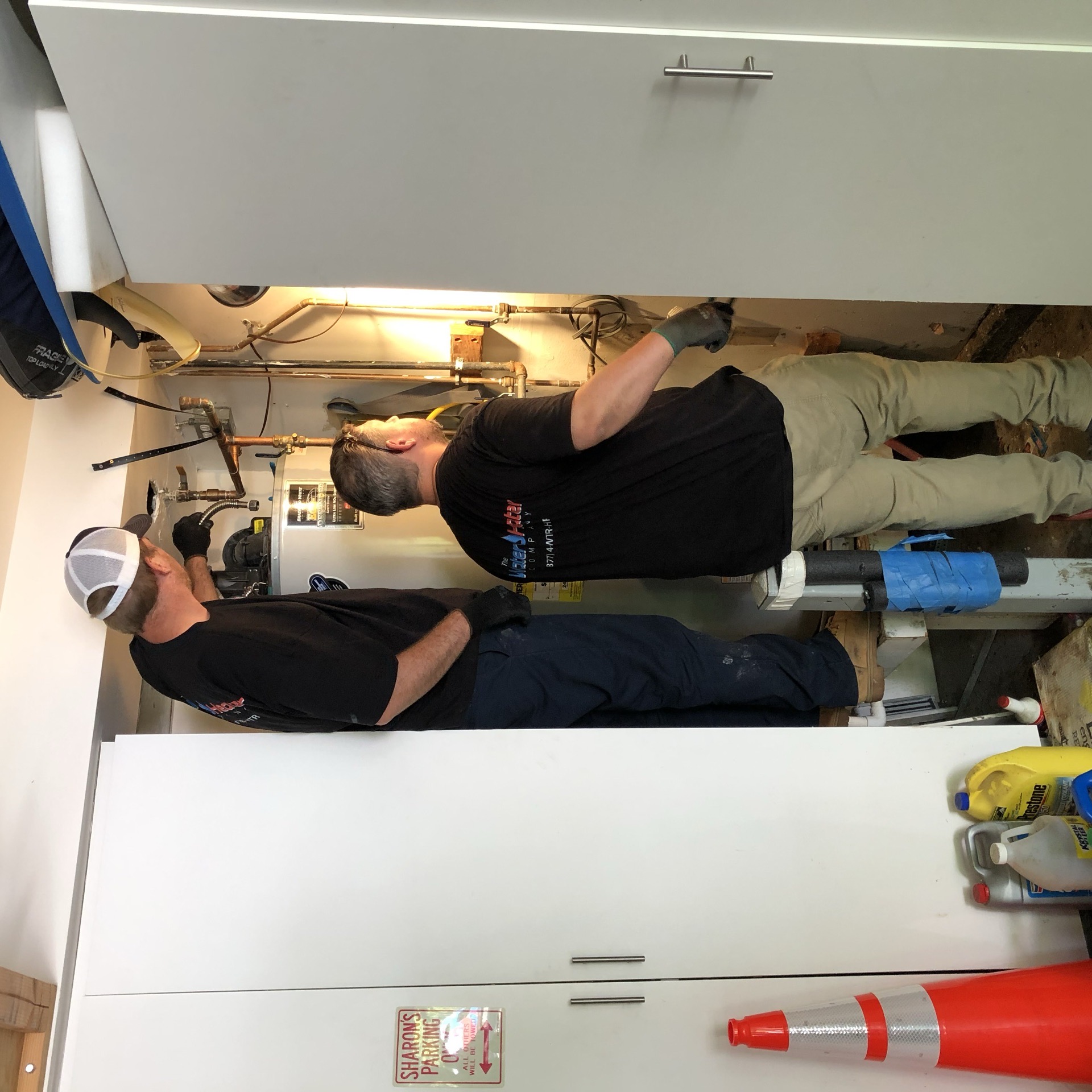
Most existing Southern California homes were built with gas water heaters, so a gas replacement is frequently the straightforward choice. Newer all-electric homes and certain condos are wired for electric. Whichever you choose, local permitting, seismic strapping, and code requirements apply across Ventura, Los Angeles, and Orange County. See our service areas to confirm we cover your city.
Proof you can trust
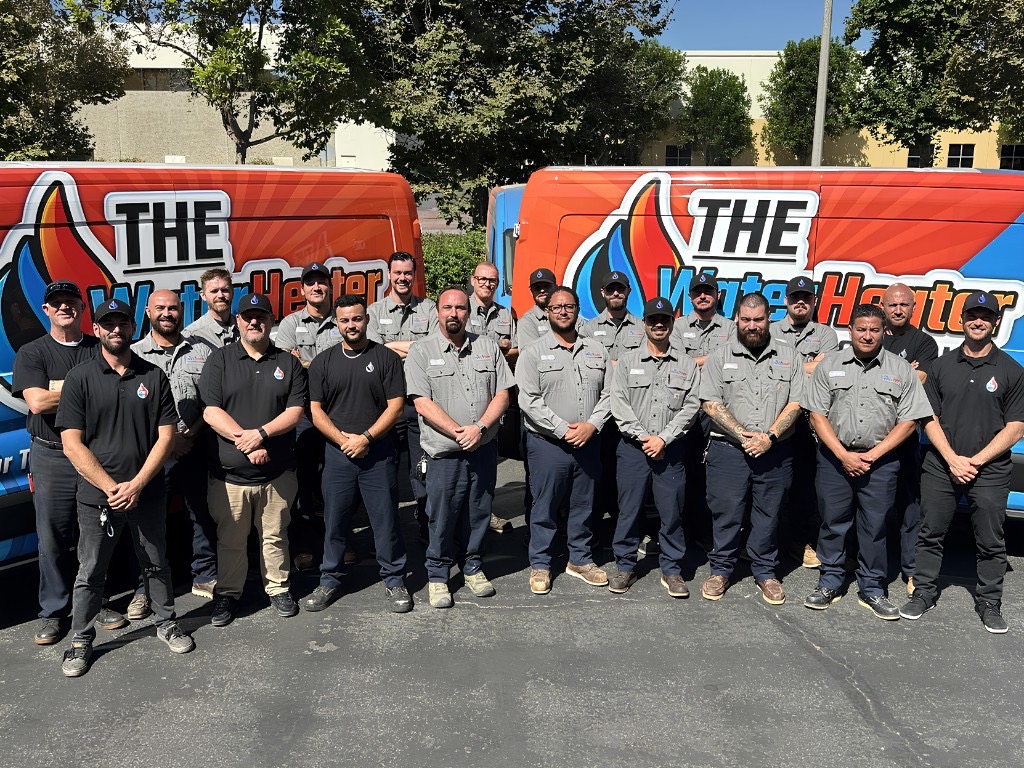
THE Water Heater Company is a residential water-heater-only specialist. With 42 years of combined experience between our co-founders, a 4.9-star rating across 2,100+ reviews, and factory training on Bradford White and other leading brands, we install both gas and electric units correctly and to code. Our trucks are stocked like warehouses on wheels, so most replacements happen the same day.
Not sure which to choose?
We'll look at your home's setup and recommend the right fit — no guesswork. Same-day service, 7 days a week. Call (877) 798-7487 or book online to get started.
Keep Reading
Related Articles
Ready for hot water?
Ready to Get Started?
Whether you need a repair, maintenance, or new installation — our experts are here to help.