Earthquake Preparedness Tips for California Homeowners: A Survival Guide
A practical survival guide: use your water heater as an emergency water source, know your shutoffs, strap your tank, and install a seismic valve.
A practical survival guide: use your water heater as an emergency water source, know your shutoffs, strap your tank, and install a seismic valve.
Living in California means living with earthquakes — and the homeowners who weather them best are the ones who prepared before the shaking started. This survival guide focuses on the part of your home a water-heater specialist knows best: your water heater, your gas system, and the shutoffs that protect your family. Use it as a checklist.
By Anthony Hamilton, Co-Founder, THE Water Heater Company (21+ years in water heaters). Reviewed by THE Water Heater Company's factory-trained technical team.
Definition: what readiness looks like
Earthquake readiness is a layered plan: secure heavy items, protect your gas supply, know how to shut off utilities, and have emergency resources ready. Your water heater plays a starring role in two of those layers — as a hazard to be controlled and as a hidden resource to be used.
When it matters
Preparation only counts if it happens before the quake. In Southern California's fault-dense neighborhoods, a damaging earthquake is a matter of when, not if, so treat each item below as something to handle this month, not someday.
Your water heater is an emergency water source
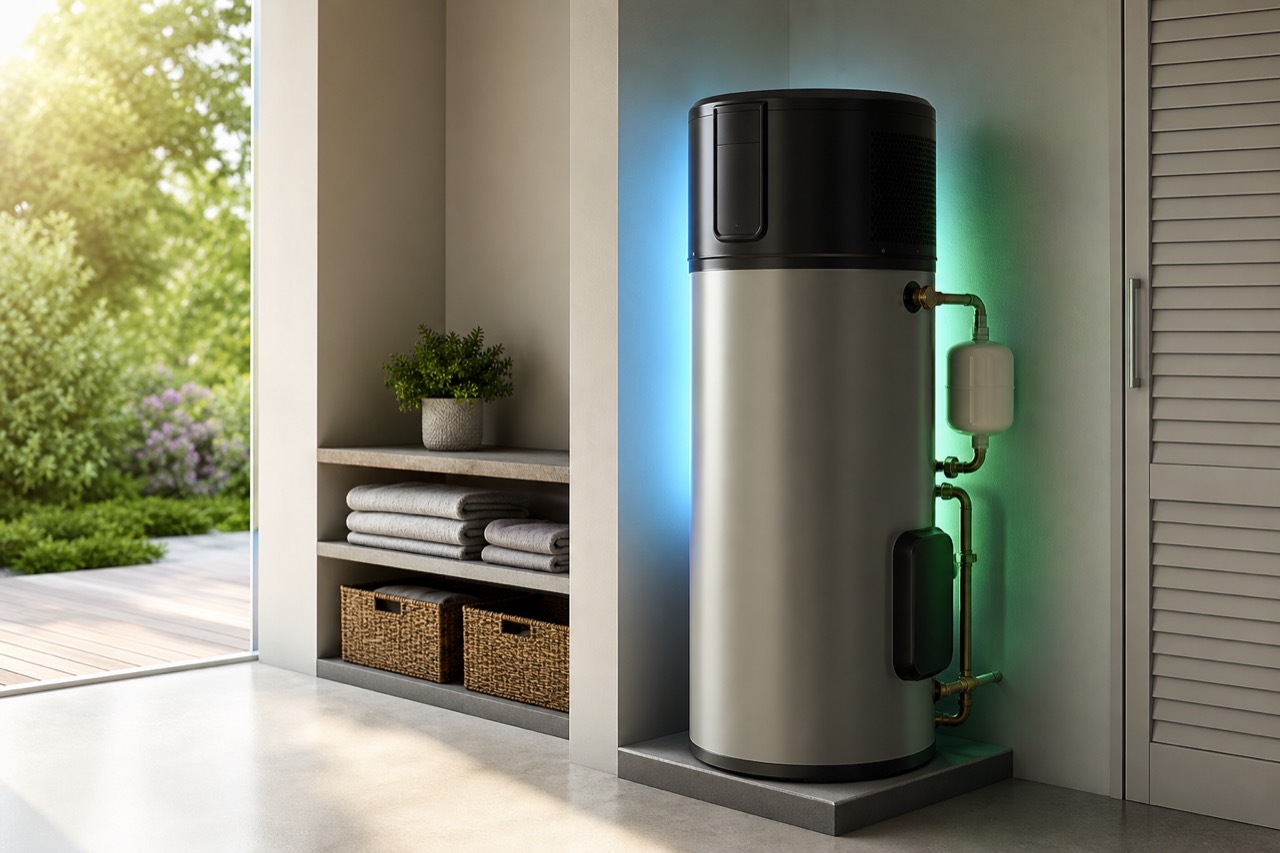
A standard tank water heater holds 40 to 50 gallons of clean, drinkable water — often the largest reserve of safe water in your home after a disaster cuts the municipal supply. To use it, turn off the gas or power and the cold-water inlet first, then draw water from the drain valve at the bottom. Knowing this in advance can keep your family hydrated for days. If you're considering an upgrade, our water heater page covers your options.
Know your shutoffs
Every adult in the home should know where the gas meter shutoff, the main water shutoff, and the electrical panel are — and how to operate them. After a strong quake, if you smell gas or hear hissing, shut the gas off at the meter and leave it for the utility to restore. A seismic gas shutoff valve handles this automatically, which is why we recommend one for every California home.
Strap the tank
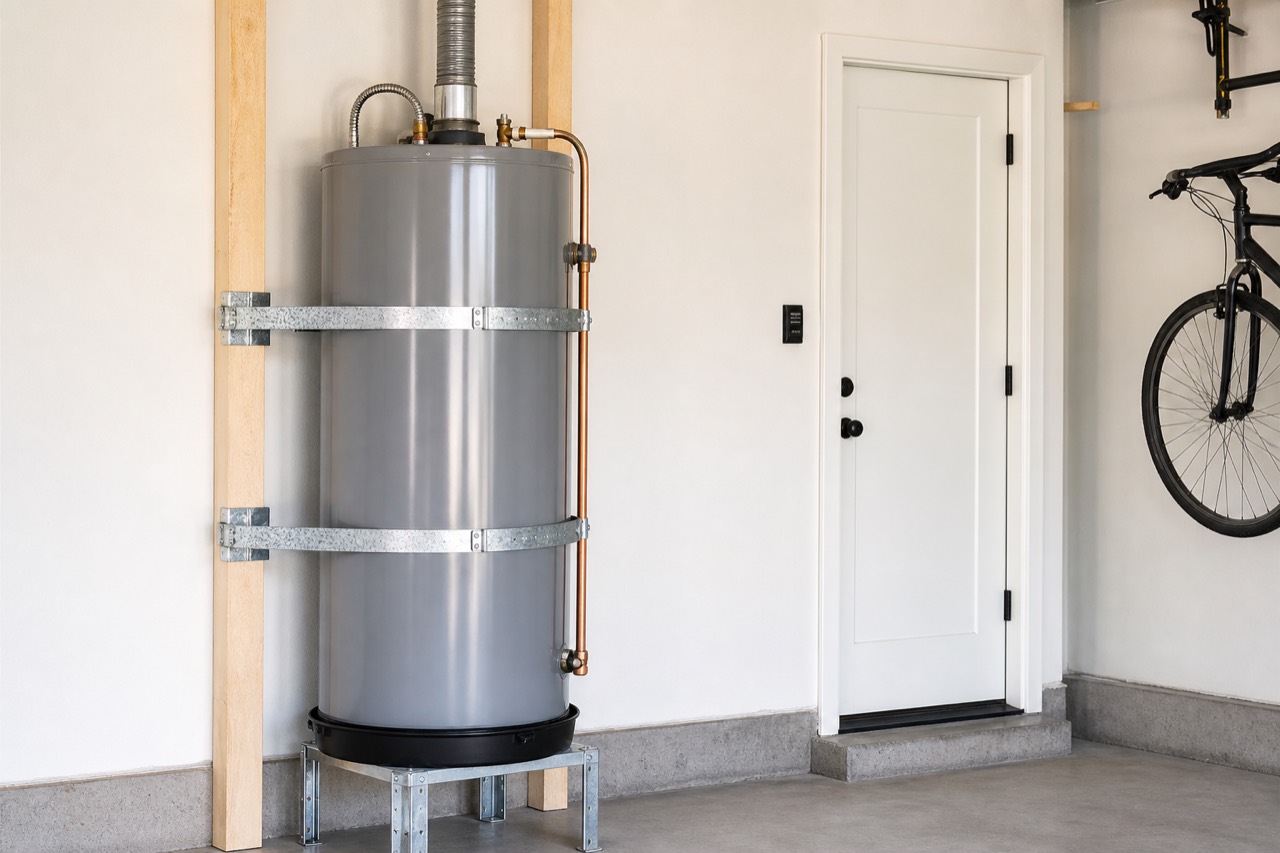
California requires tank water heaters to be braced against earthquakes with two straps — one in the upper third and one in the lower third of the tank — plus flexible connectors. An unsecured tank can topple and tear its gas line. Walk through the process in how to secure your water heater for earthquakes in 4 easy steps.
Install a seismic valve
An earthquake valve automatically cuts the gas during a quake, before a leak can build. See how a seismic valve prevents gas leaks after a quake and the broader earthquake valve benefits, then learn about professional installation.
Failure mode: the unprepared home
The home that suffers most has an unstrapped tank, no seismic valve, and occupants who don't know where the shutoffs are. One tipped water heater can flood a room, sever a gas line, and ignite — all preventable with a weekend of preparation.
Proof: a specialist on your side
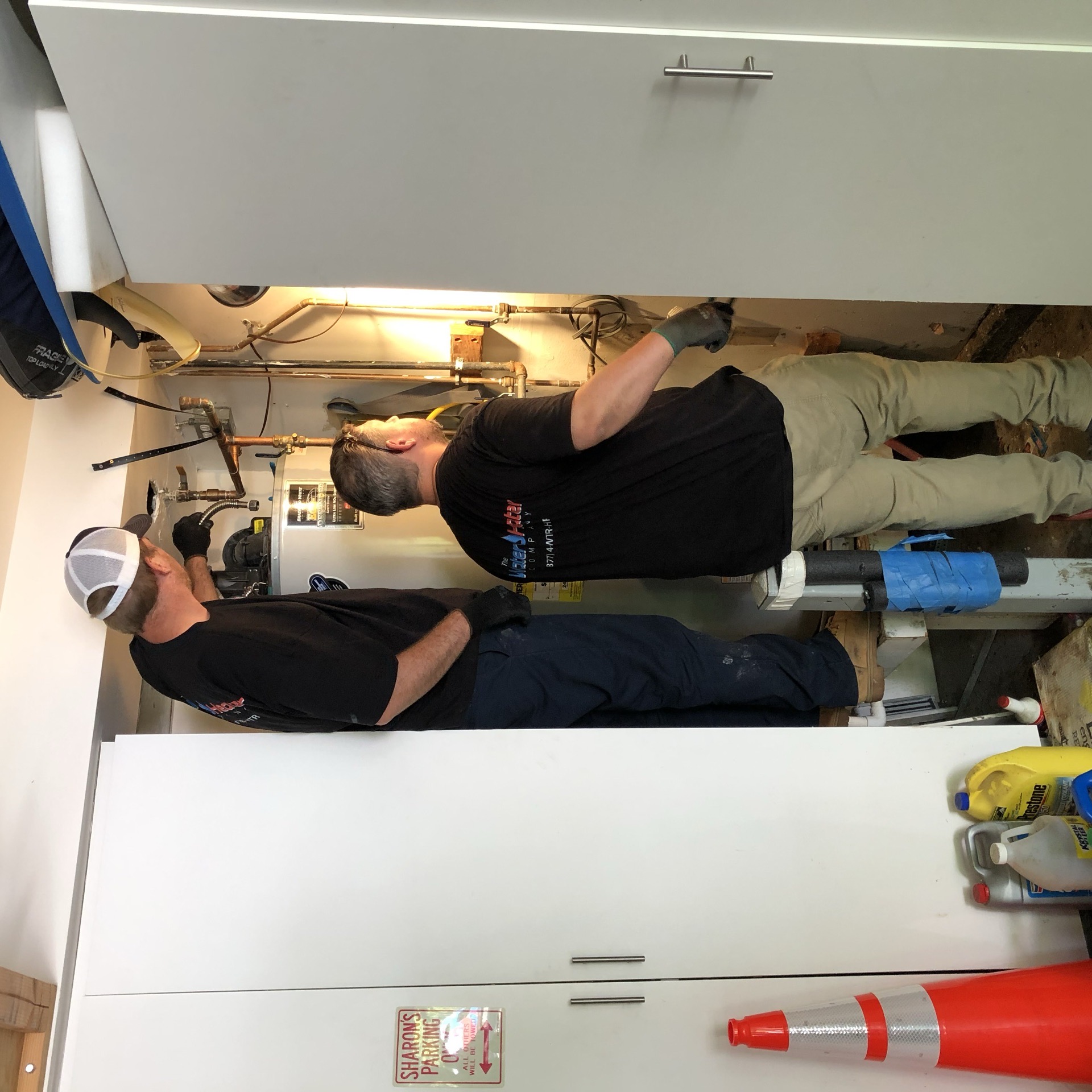
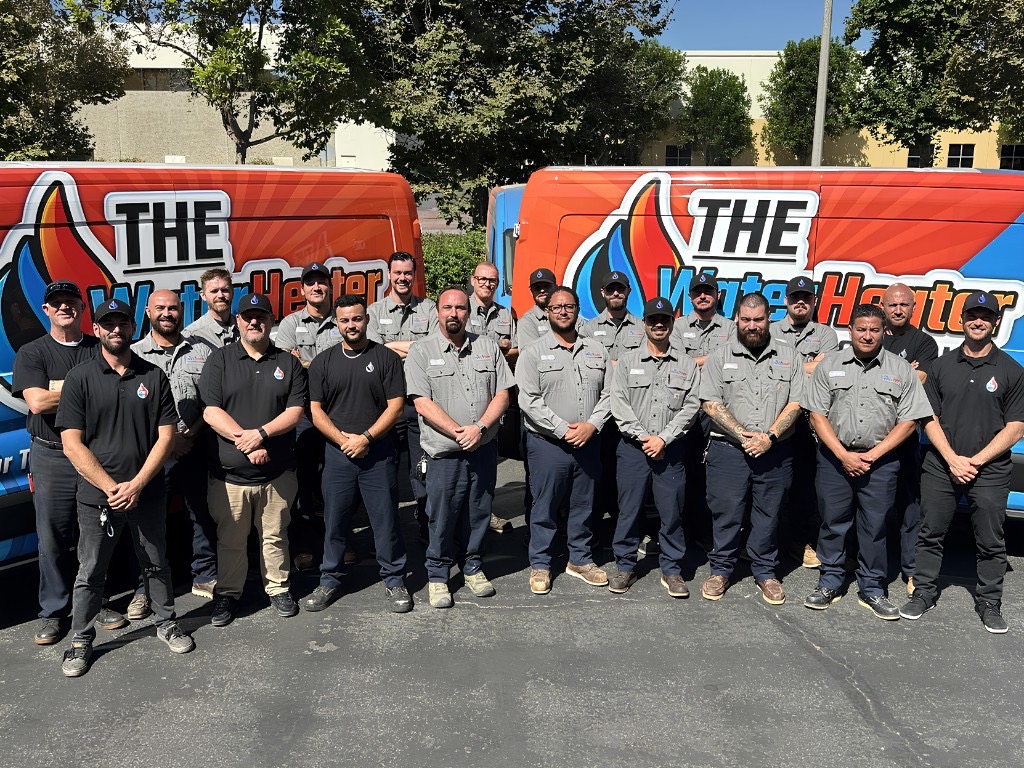
THE Water Heater Company is a licensed, insured, family-owned water-heater specialist (CA Contractor License #1045699) with 42 years of combined experience serving Ventura, Los Angeles, and Orange counties. We strap tanks, install seismic valves, and make sure your home's water and gas systems are ready for the next quake.
Action: get ready now
THE Water Heater Company offers same-day service, 7 days a week, from 7:00 AM to 8:30 PM. Call (877) 798-7487 or book online to schedule an earthquake-readiness visit for your water heater and gas system.
Keep Reading
Related Articles
Ready for hot water?
Ready to Get Started?
Whether you need a repair, maintenance, or new installation — our experts are here to help.