The Definitive Guide to Earthquake Valve Benefits
Automatic gas shutoff during seismic events, fire and explosion prevention, and insurance considerations for California homeowners.
Automatic gas shutoff during seismic events, fire and explosion prevention, and insurance considerations for California homeowners.
An earthquake valve — the seismic gas shutoff valve on your home's gas line — does one job exceptionally well: it cuts the gas automatically when the ground shakes hard enough. For California homeowners, that single function delivers a surprisingly wide range of benefits, from fire prevention to peace of mind. This guide walks through what you actually get from installing one.
By Anthony Hamilton, Co-Founder, THE Water Heater Company (21+ years in water heaters). Reviewed by THE Water Heater Company's factory-trained technical team.
Definition: a benefit-by-benefit look
A seismic valve is a passive mechanical device installed on the gas piping, usually right after the meter. It needs no power and stays armed indefinitely, tripping only when motion crosses its threshold. Because it acts on its own, its benefits don't depend on anyone being home or calm enough to find the manual shutoff. You can read the fundamentals on our earthquake valve hub.
When the benefits matter most
The advantages are concentrated in the chaotic minutes and hours after a significant earthquake — exactly when manual response is least likely. In Southern California, where major faults run through dense neighborhoods, that window is not hypothetical. The benefits below all stem from removing the human bottleneck during an emergency.
Automatic gas shutoff during seismic events
The headline benefit is automation. Gas utilities advise shutting off your gas after a strong quake if you smell or hear a leak, but doing so requires a wrench, access to the meter, and a clear head. A seismic valve removes all three requirements and acts in the moment the shaking exceeds its trip point.
Fire and explosion prevention
Earthquakes commonly rupture gas connections, and escaping natural gas is a leading cause of post-quake fires. By sealing the line at the source, a seismic valve dramatically reduces the chance that a damaged appliance or cracked pipe feeds a fire or builds an explosive concentration of gas inside the home. To understand the mechanism in detail, see how a seismic valve prevents gas leaks after a quake.
Insurance and resale considerations
Many homeowners install seismic shutoff valves as part of broader earthquake-readiness efforts. While policies and programs vary by insurer and jurisdiction, a documented, permitted safety upgrade is the kind of improvement worth discussing with your insurance agent, and it signals to future buyers that the home has been responsibly retrofitted. Always confirm specifics with your own carrier rather than assuming a discount.
Failure mode: the cost of not having one
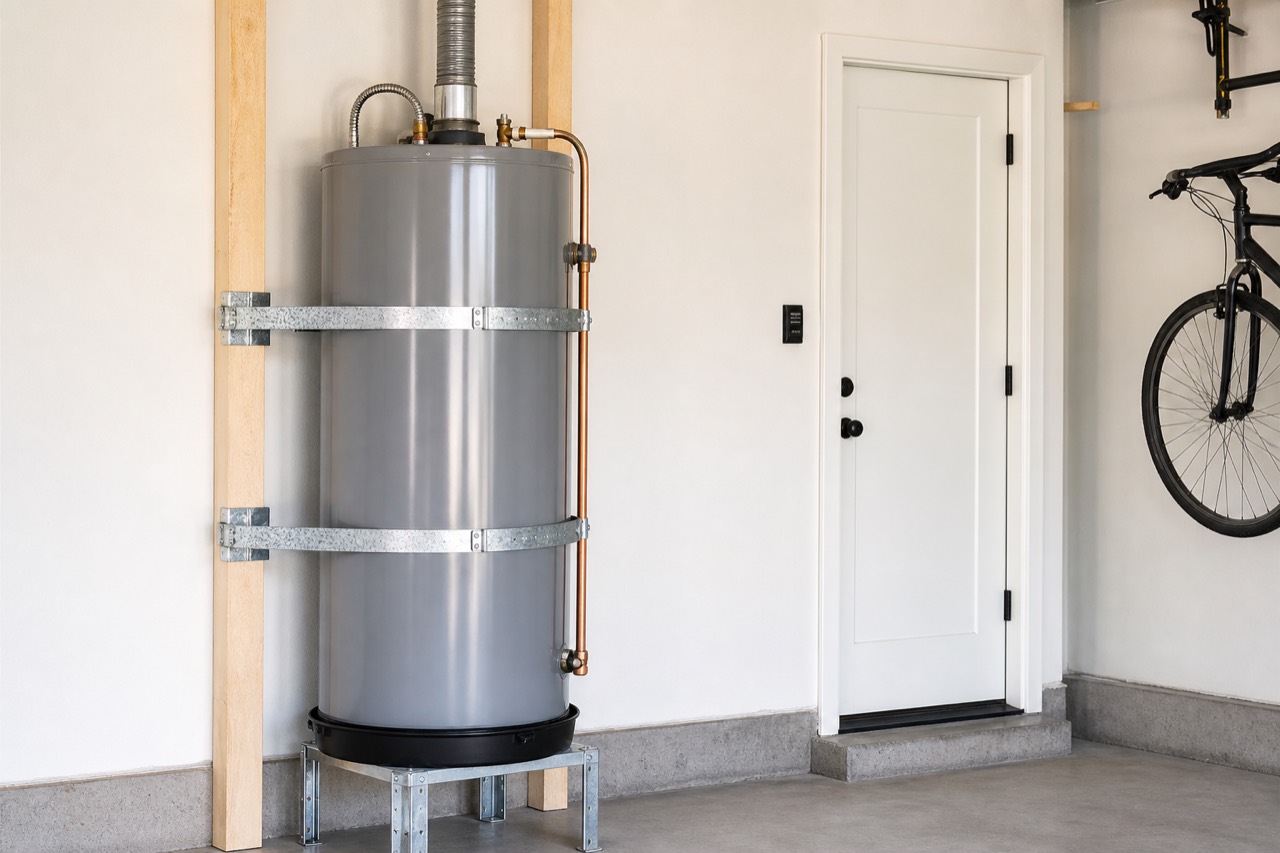
The risk a seismic valve addresses is real: a quake hits while you are away or asleep, a flexible gas connector tears, and gas fills the home with no one to shut it off. Pairing the valve with a properly secured tank closes another gap — an unstrapped water heater can topple and shear its own gas and water lines. Learn how to brace yours in 4 easy steps, and consider a new, code-compliant unit on our water heater page.
Proof: do it once, do it right
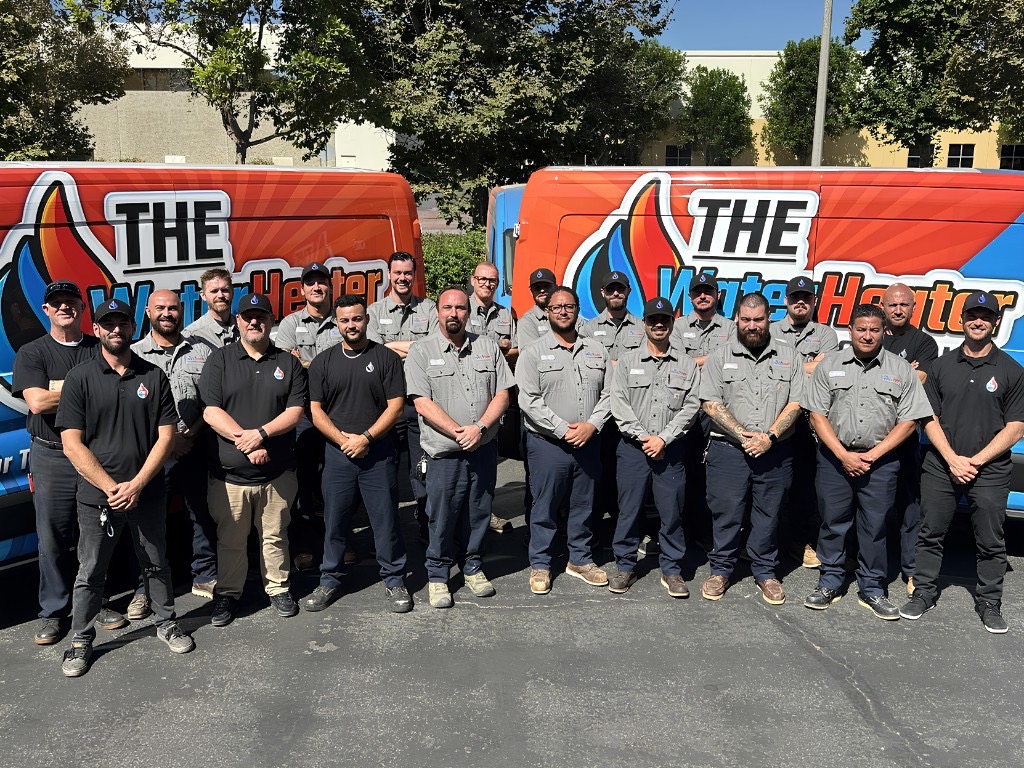
THE Water Heater Company is a licensed, insured, family-owned water-heater specialist (CA Contractor License #1045699) serving Ventura, Los Angeles, and Orange County communities. With 42 years of combined experience and same-day availability, we install seismic valves with the correct sizing, orientation, and permitting so the benefits above are real and not just theoretical.
Action: lock in the protection
For the full picture of professional installation, read how to master earthquake valve installation, and round out your plan with our earthquake preparedness tips for California homeowners.
THE Water Heater Company offers same-day service, 7 days a week, from 7:00 AM to 8:30 PM. Call (877) 798-7487 or book online to add an earthquake valve to your home.
Keep Reading
Related Articles
Ready for hot water?
Ready to Get Started?
Whether you need a repair, maintenance, or new installation — our experts are here to help.